Key Takeaways
- Niacin is a B vitamin involved in energy metabolism. Also known as vitamin B3, it helps support processes related to cellular energy production.
- Niacin is found in both foods and supplements: Meat, fish, legumes, and fortified grains are among the dietary sources.
- Different forms of niacin are available: Products may contain nicotinic acid, niacinamide, or other formulations with varying characteristics.
- High doses may cause side effects: Flushing, itching, and digestive discomfort are among the effects sometimes associated with niacin supplementation.
- Not all niacin supplements are interchangeable: Products may differ in absorption, flushing potential, and serving amounts.
With health as the new wealth, you might be searching for fresh ways to ensure you have optimal wellness. And one nutrient that you may want to make certain you’re getting enough of? Niacin. Read on to learn all about this critical vitamin.
What Is Niacin?
Also known as vitamin B3, niacin is one of the eight B vitamins. It comes in two chemical forms—nicotinic acid and niacinamide (or nicotinamide)—and, like all B vitamins, it plays a role in transforming the food you eat into the energy you feel. How? By supporting enzymes—particularly NAP and NADP, which are associated with cellular metabolism.
What Are Some Niacin Benefits?
Niacin is involved with cell signaling, as well as in producing and repairing DNA. Additionally, it aids in your body’s ability to process protein and fats, in part by helping support healthy triglyceride levels in your body. (In other words, it naturally supports your body’s detoxification process.) What’s more, niacin organically promotes healthy nerves and skin, and it encourages sound digestive function.
How Much Niacin Do I Need?
The dietary reference intake (DRI)—a term that’s now replacing the somewhat outdated but likely more familiar RDA (recommended daily allowance)—varies by age and additional factors. Here’s the general breakdown:
- Children: 2-16 mg daily, depending on age
- Men: 16 mg daily
- Women: 14 mg daily
- Pregnant women: 18 mg daily
- Breastfeeding women: 17 mg daily
What Niacin Foods Should I Reach For?
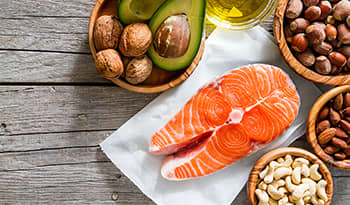
Luckily, niacin is found in a wide range of foods. It’s highest in animal products, such as poultry, fish, and beef, but plant-based foods are also rich in the nutrient. These foods include nuts, legumes, and grains.
Also, there are a number of foods that are enriched with niacin, like breads, infant formulas, and cereals. The NIH reports that the niacin in these particular foods is highly bioavailable. Translation? They’re able to be absorbed well by the body, thus giving you an “active” effect.
Is It Possible to Have Too Much Niacin?
In a word: Yes. It’s very unlikely you’ll consume too much niacin through food, or if you stick to your health care professional’s recommended dosage. That said, it may be dangerous if you take too much of the prescription or over-the-counter niacin. Symptoms of niacin overdose include rapid heartbeat, nausea and vomiting, severe skin flushing coupled with dizziness, itching, abdominal pain, and diarrhea. In some cases, you may also experience gout.
Should you feel any of these symptoms after taking niacin, it’s vital that you seek medical attention immediately.
Should I Take a Niacin Supplement?
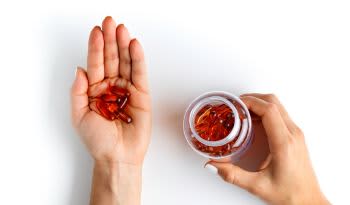
While it’s entirely possible to obtain enough niacin from a healthy, well-rounded diet, your healthcare provider will be able to ascertain whether a niacin supplement will benefit you. If you’re lacking in this crucial nutrient, you may experience fatigue, depression, memory loss, headaches, skin problems, and diarrhea. If these symptoms sound familiar, a blood test can help your doctor determine if a niacin supplement is the answer. Lastly, do know that pellagra—a deleterious form of niacin deficiency—is rare in the industrialized world.
What Are the Side Effects of Niacin?
Niacin may be safe to take up to 35 mg daily—for adults—but it may come with side effects. Chief of these? An upset stomach. You can help mitigate this potential reaction by taking your niacin supplement with food. Niacin may also create flushing—a mild and harmless, albeit unpleasant, flushing to the face and neck. This is especially true if you’re just starting out with the nutrient.
Also, it’s important to keep in mind that niacin interacts with some medications, such as blood thinners, diabetes medications, and antibiotics, as well as a few herbs, including ginkgo biloba.
All the more reason to make sure you see your doctor before taking a niacin supplement. And if you do get the green light? You may feel all of those beautiful benefits mentioned above.
References:
- National Institutes of Health. (2022). Niacin: Fact sheet for health professionals. NIH Office of Dietary Supplements. U.S. Department of Health and Human Services.
- ScienceDirect. (2024). Niacin (Vitamin B3): Chemical properties, metabolic pathways, and therapeutic applications. Elsevier ScienceDirect Topics.
DISCLAIMER:
These statements have not been approved by the Food and Drug Administration. These products are not intended to diagnose, treat, cure or prevent disease.

















































 Table of Contents